21 Aug 2026
Personalized Betting Algorithms: Uncovering the Data Systems That Shape Custom Offers and Player Habits
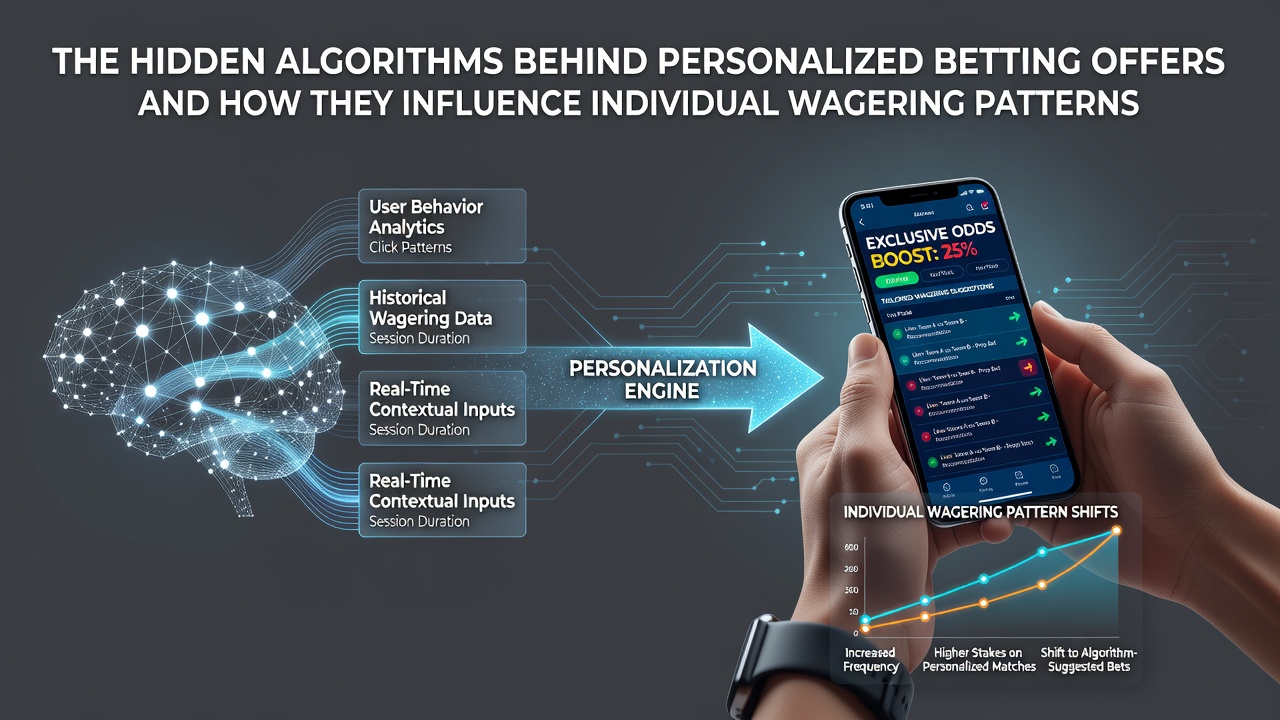
Data collection starts with every interaction a user makes on a betting platform, from login times and device types to the specific markets viewed and bets placed, and these details feed into centralized systems that build detailed profiles over time. Operators compile this information across sessions while machine learning models identify patterns such as preferred sports, typical stake sizes, and response rates to previous promotions. Researchers at institutions like the University of Nevada, Las Vegas have documented how these profiles enable platforms to generate offers that match individual risk tolerance and activity levels rather than applying uniform incentives across all users.
Data Inputs That Drive Offer Customization
Platforms track behavioral signals including frequency of deposits, withdrawal patterns, and time spent on live betting interfaces, then combine those metrics with demographic details supplied during registration. External data sources sometimes supplement internal records, such as regional betting trends reported by government agencies, which allows algorithms to adjust for broader market conditions. In August 2026 several North American regulatory updates required operators to disclose more about data sources used in personalization, prompting industry groups to publish summaries of common variables without revealing proprietary code.
Once gathered, the information enters scoring systems that rank users by predicted lifetime value and engagement likelihood, and these scores determine which promotions appear in a given account. For example an algorithm might prioritize free bet credits for users who historically respond to accumulator offers while routing cashback deals toward those who favor single-event wagers. Studies from the Australian Institute of Family Studies have shown measurable differences in uptake when incentives align closely with past activity compared with generic campaigns.
Machine Learning Models Behind the Scenes
Supervised learning techniques train on historical datasets to forecast how a user might react to variations in bonus size, expiry length, or wagering requirements, and reinforcement learning components refine recommendations based on real-time feedback from offer acceptance rates. Observers note that these models continuously update after each session so that an offer declined one week may be replaced by a different structure the next. The process runs without direct human oversight once initial parameters are set, which means small changes in user behavior can shift entire sequences of future promotions.
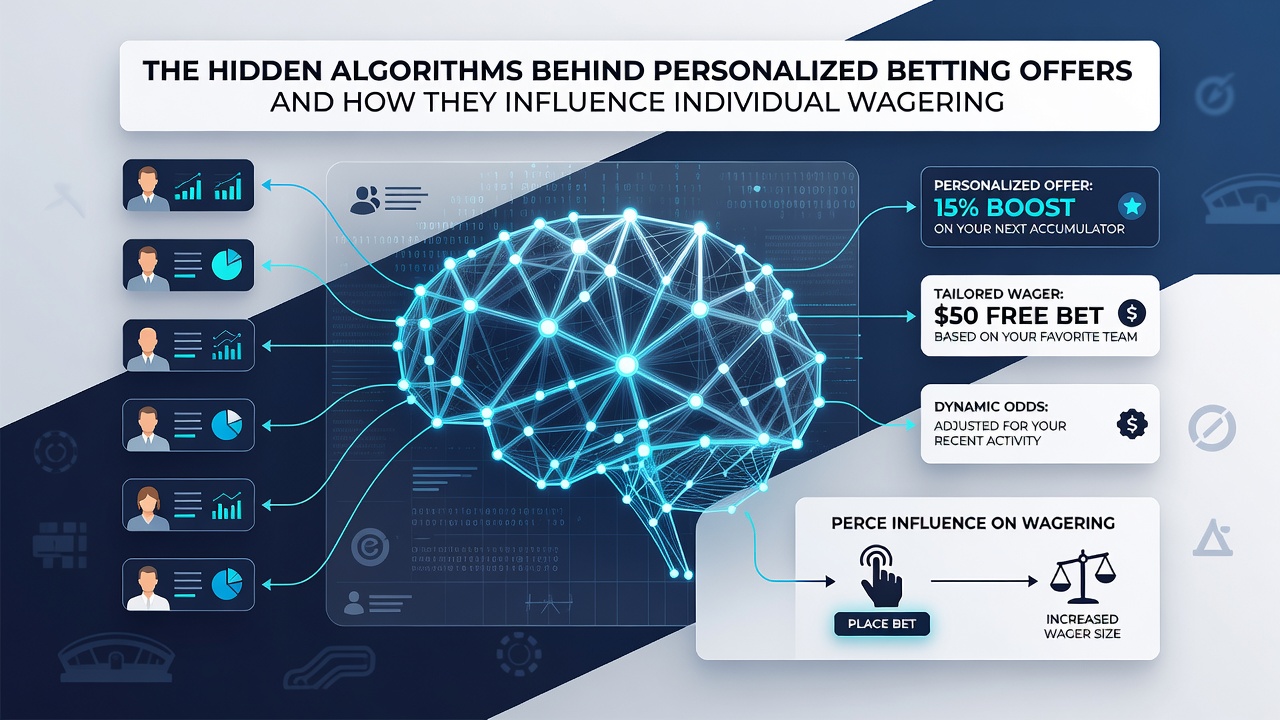
Clustering methods group similar accounts together so that lessons learned from one segment transfer to others with comparable profiles, and anomaly detection flags sudden shifts that might indicate either increased interest or potential harm indicators. According to reports from the Canadian Centre on Substance Use and Addiction, such segmentation has allowed operators to test multiple offer variants simultaneously across controlled user groups before wider rollout.
Observed Effects on Wagering Activity
Personalized offers correlate with changes in bet frequency and average stake amounts among targeted users, with data showing elevated activity in the hours immediately following receipt of a tailored promotion. Longitudinal analyses reveal that users receiving algorithmically matched incentives often maintain higher session counts over multi-week periods compared with those who receive standard communications. These patterns hold across different product types, from sports betting to casino-style games, although the magnitude varies by jurisdiction and product availability.
Researchers tracking anonymized transaction logs have recorded instances where users who previously placed low-stake bets increased wager sizes after receiving offers calibrated to their historical maximums. The same datasets indicate that timing plays a role, with evening offers generating different response curves than those delivered during daytime hours. Industry reports compiled by European gaming associations document similar trends without attributing causation solely to the algorithms themselves.
Conclusion
Algorithms that personalize betting offers rely on extensive behavioral datasets and iterative modeling to deliver incentives that align with individual histories, and available evidence links these systems to measurable shifts in wagering patterns across user populations. Regulatory developments in multiple regions continue to shape how such technologies operate while research institutions track outcomes through independent studies. The interplay between data inputs, model outputs, and resulting user activity remains a central focus for analysts examining modern betting environments.