21 Aug 2026
Dynamic Pricing Models in Professional Sports Align With Free Virtual Environment Access
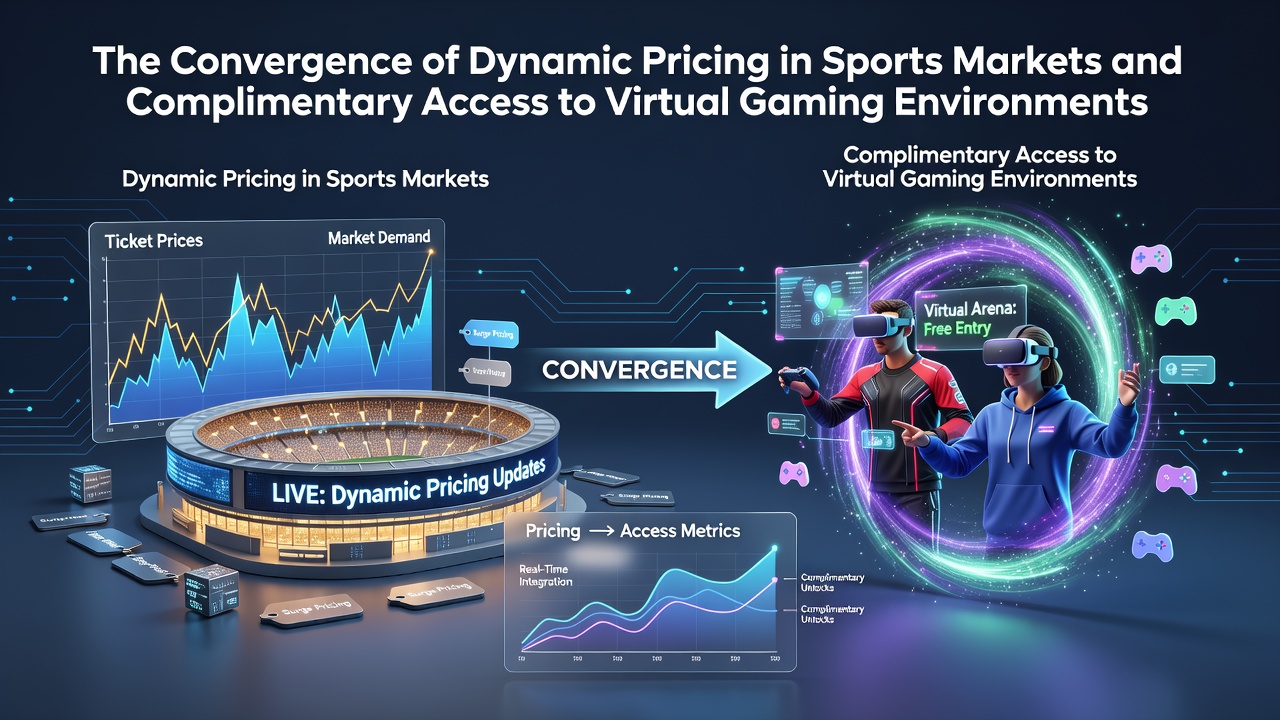
Professional sports organizations have expanded variable pricing systems that adjust ticket and merchandise costs in real time based on demand patterns, attendance data, and external factors such as weather or team performance while virtual gaming platforms offer no-cost entry points that reward user engagement through integrated loyalty mechanics. These two developments intersect when sports franchises partner with digital studios to grant complimentary access to virtual environments that mirror live events, allowing fans to experience simulated versions of matches or training sessions without additional fees once they complete a purchase under dynamic conditions.
Variable Pricing Mechanics in Live Sports Markets
Teams in major North American leagues adopted algorithmic tools that raise or lower seat prices minutes before tip-off or puck drop, and European football clubs followed with similar software that factors in historical sales velocity plus social media sentiment scores. Data compiled by the Sports Business Journal shows average revenue per game increased 14 percent across tracked franchises between 2023 and 2025, with the sharpest gains occurring during high-profile rivalries where demand spikes trigger automatic surcharges. Observers note that these systems also extend to concession pricing and replica jersey sales, creating layered revenue streams that respond to instantaneous market signals rather than fixed seasonal rates.
Integration With Digital Engagement Platforms
Virtual gaming environments, particularly those built around licensed sports simulations, have shifted toward free-to-enter models that monetize through optional cosmetic upgrades and season-pass content. When a fan buys a dynamically priced ticket to an in-person match, many clubs now append a digital code that unlocks a limited-time virtual replica of the same stadium inside a companion app or partnered title. This linkage encourages repeat visits because users who redeem the access often return to the live event ecosystem to unlock further complimentary hours or exclusive player skins.
Market Data and Adoption Patterns Through Mid-2026
Industry figures released in August 2026 by the Global Sports Technology Association indicated that 62 percent of top-tier clubs in the United States, Canada, Australia, and select European markets had activated at least one cross-platform promotion tying dynamic ticket purchases to virtual environment credits. Attendance analytics revealed that fans who received these complimentary digital entries showed a 27 percent higher likelihood of purchasing additional live-event merchandise within the same calendar quarter. Regulatory bodies in multiple jurisdictions, including the Australian Competition and Consumer Commission, have begun reviewing disclosure requirements around how dynamic algorithms communicate price changes to consumers before checkout.
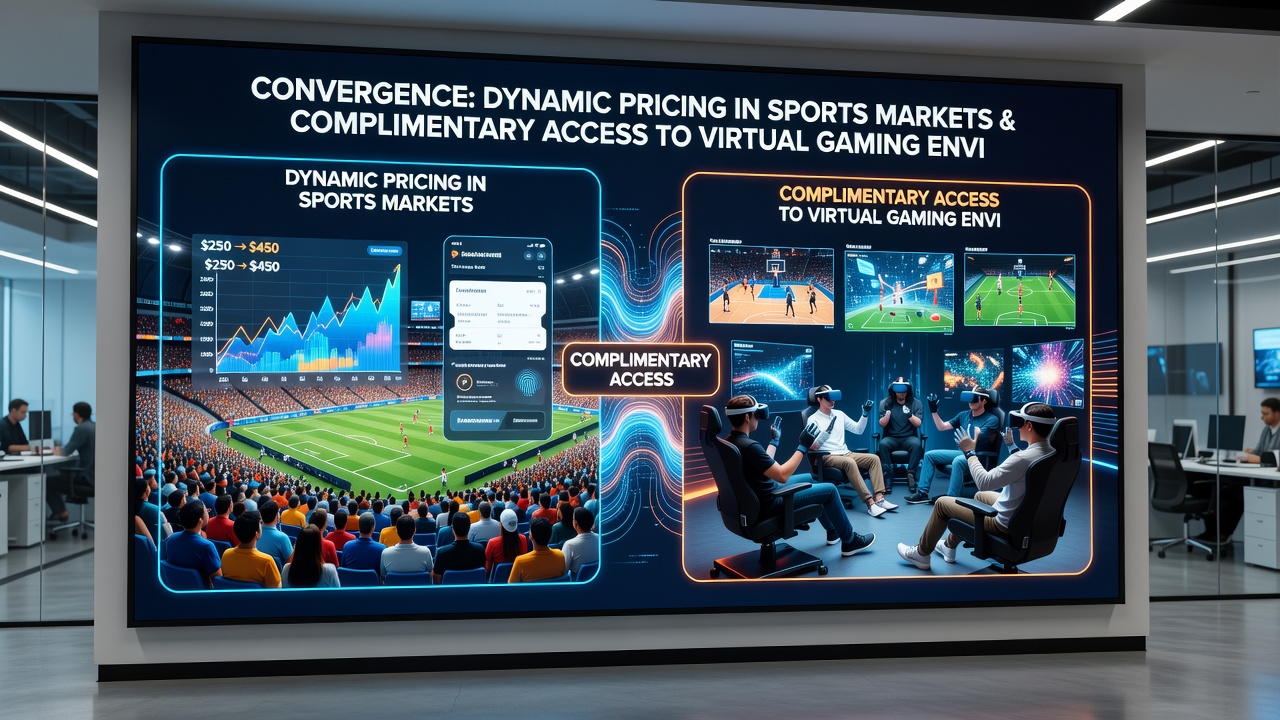
Take one mid-sized basketball franchise that piloted the model in the 2024-2025 season: researchers tracked 18,400 ticket buyers who received virtual access codes, and the club recorded a measurable uptick in app session length averaging 41 minutes per user during the subsequent two weeks. Those who've studied the dataset note that peak engagement occurred on non-game days, suggesting the free virtual environments function as retention tools rather than simple one-time rewards.
Technical Infrastructure Enabling the Shift
Cloud-based pricing engines now feed directly into customer-relationship-management systems that also manage virtual inventory, allowing a single purchase event to trigger both the physical ticket delivery and the digital unlock within seconds. API connections between stadium point-of-sale terminals and gaming servers ensure that complimentary access periods align precisely with the original transaction date, reducing disputes and support tickets. Developers at several studios have introduced geofencing features that grant bonus virtual currency only when a user is physically present at the arena, further tightening the link between live attendance and digital play.
Regional Variations in Implementation
North American franchises emphasize in-app rewards tied to season-ticket packages, whereas Australian and New Zealand rugby organizations focus on one-off match-day redemptions that feed into broader national gaming portals. European basketball leagues have explored partnerships with public broadcasters to stream virtual recreations of games for free to verified ticket holders, creating a hybrid model that blends linear television with interactive environments. Each approach shares the core mechanism of using dynamic live-market data to subsidize zero-cost digital access without requiring additional cash outlays from the end user.
Future Trajectory and Ongoing Adjustments
Projections prepared by academic teams at multiple universities forecast continued expansion of these hybrid offerings through 2027, driven by declining hardware costs for virtual-reality headsets and rising consumer comfort with mixed-reality experiences. Operators continue to refine segmentation algorithms so that price elasticity data from ticket sales informs how long each complimentary virtual session should last, balancing player retention against server-load management. Those monitoring the space report that early adopters have already begun testing limited cross-league redemptions, allowing a purchase from one sport to unlock environments themed around another league under the same ownership group.
Conclusion
The alignment between real-time sports pricing and complimentary virtual gaming access has produced measurable shifts in both revenue patterns and fan behavior across multiple continents. As infrastructure matures and more organizations adopt integrated platforms, the model continues to evolve without requiring separate payment streams for the digital component. Stakeholders track these developments through standardized metrics that capture both live-event economics and sustained engagement inside the virtual spaces, providing a clear view of how the two markets reinforce each other.