23 Aug 2026
Data Analytics Fueling Tailored Hybrid Bonuses Across Betting and Casino Platforms
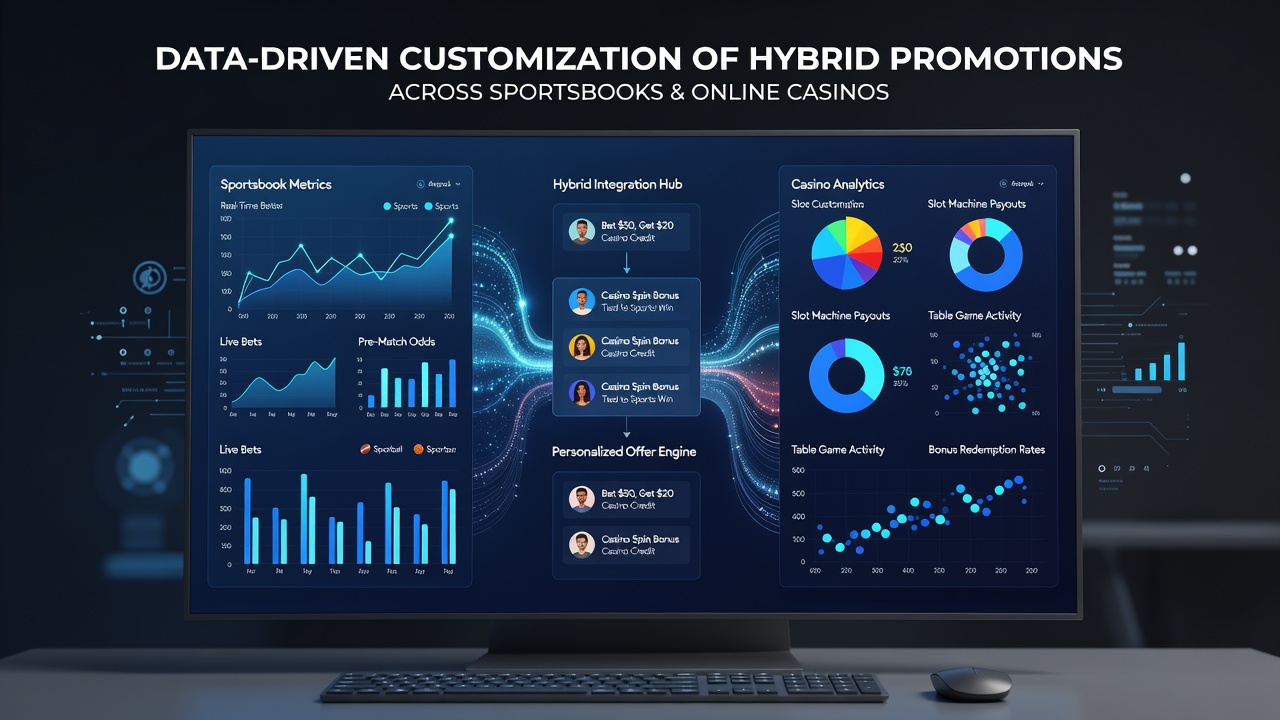
Operators in the gambling sector now rely on advanced data systems to create hybrid promotions that combine sports betting incentives with casino rewards and these systems draw from player behavior patterns across multiple platforms. Research from the American Gaming Association indicates that such integrated offers increased retention rates by up to 28 percent in markets where operators deployed machine learning models during 2025.
Platforms collect information on wager types, session durations, preferred game categories, and deposit frequencies to segment users into groups that receive customized bundles. For instance one study published by the University of Nevada Reno found that players who engaged with both sports odds boosts and no-deposit casino tokens showed higher lifetime value when the offers aligned with their historical activity logs rather than generic templates.
Core Mechanisms Behind Personalization Engines
Algorithms process real-time inputs from sportsbook and casino databases to adjust promotion parameters such as bonus percentages, wagering requirements, and expiration windows. These engines often incorporate variables like location data, device usage, and time-of-day preferences which allow operators to deliver targeted messages through apps and email channels without manual intervention.
European operators have adopted similar frameworks following guidelines from the European Gaming and Betting Association that encourage responsible data handling while still supporting dynamic offer creation. Data shows that hybrid promotions perform best when they link a sports accumulator boost directly to casino free spins because the cross-category structure encourages extended platform interaction.
Implementation Patterns in Global Markets
North American platforms have integrated these tools more rapidly since regulatory frameworks in several states permit broader data utilization for marketing purposes. Australian operators meanwhile focus on loyalty tiers that merge racing bets with poker room credits based on aggregated player profiles compiled over months of activity.
Observers note that August 2026 marks a point where several major platforms plan to roll out updated privacy-compliant customization layers that incorporate consent-based tracking across jurisdictions. This timing aligns with anticipated shifts in consumer data regulations that could affect how operators share information between sportsbook and casino divisions.

Performance Metrics and Cross-Platform Results
Industry reports track metrics such as conversion rates, average bet sizes, and bonus redemption frequencies to refine future campaigns. One analysis from a Canadian research consortium revealed that hybrid offers customized through predictive models generated 35 percent more incremental revenue compared with static promotions distributed to broad audiences.
Systems also monitor risk indicators including rapid deposit patterns or extended play sessions so that adjustments can occur automatically when thresholds are met. Those adjustments often include scaled-back bonus values or added responsible gaming prompts that appear alongside the promotional content.
Challenges in Data Integration and Compliance
Combining datasets from separate sportsbook and casino systems requires robust infrastructure to avoid discrepancies in player profiles. Technical teams address these issues through unified APIs that standardize information formats while maintaining audit trails for regulatory review.
Geographic differences in data protection rules create additional layers of complexity yet operators continue to expand these capabilities because evidence from multiple markets demonstrates measurable gains in engagement when personalization reaches higher accuracy levels.
Conclusion
The shift toward data-driven hybrid promotions reflects broader industry movement where operators seek to maximize platform value through precise offer matching. Continued refinement of these systems will depend on technological advances in analytics alongside evolving standards for data use across regions. As platforms prepare for developments around August 2026 the focus remains on balancing customization benefits with transparent player controls that support sustained participation.