16 Aug 2026
Cross-Platform Incentive Layering and Its Effects on Participant Choices in Gaming Markets
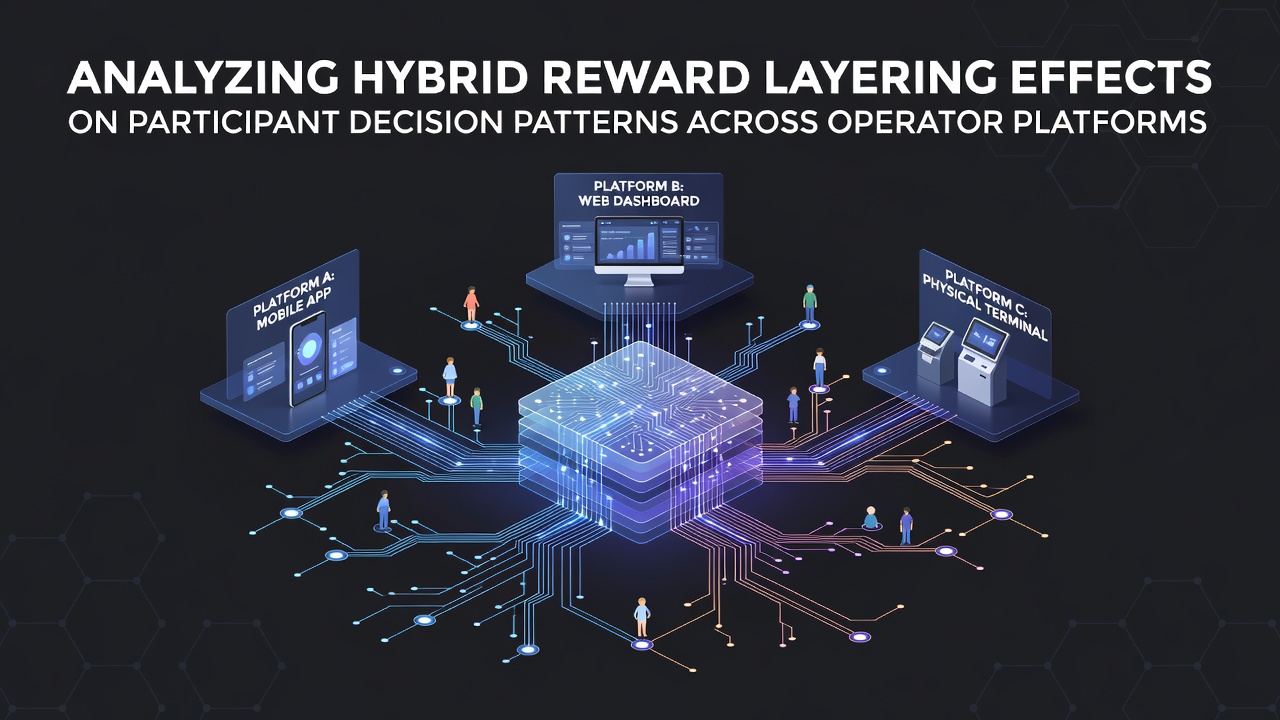
Hybrid reward layering refers to the practice of combining multiple promotional offers such as free bets, no-deposit credits, and odds boosts from different operators, and researchers have examined how these combinations influence user decisions across separate platforms. Data from industry reports indicate that participants often stack incentives to maximize potential returns, which creates distinct patterns in how they allocate time and funds between sports betting sections and casino game lobbies.
Defining Hybrid Reward Structures
Operators issue layered promotions that include matched deposits alongside no-deposit spins, and these elements interact when users move between sites. Studies compiled by academic teams show that such stacking alters the sequence of choices, with many participants first claiming the deposit-free component before committing to matched funds. In August 2026 several platforms adjusted their terms to limit simultaneous claims, yet the practice continued through separate accounts managed across devices.
Observed Decision Patterns Among Participants
Participants demonstrate a tendency to prioritize offers that require minimal initial outlay, and this preference leads them to cycle through multiple operator sites within a single session. Evidence from tracking analyses reveals that users who layer rewards spend longer periods comparing live odds before selecting a platform for the actual wager. Those patterns emerge consistently across both desktop and mobile interfaces, where quick access to no-deposit tokens accelerates the decision to test a new game type.
Further examination indicates that reward stacking correlates with increased switching frequency between sports and casino verticals. When a free bet expires without conversion, participants often shift to another site offering an active odds boost, and this movement follows predictable timing based on promotion expiry windows. Regulatory filings from the National Council on Problem Gambling document similar behavioral sequences in multi-operator environments.
Platform-Specific Variations in User Responses
Different operators structure their hybrid offers with varying wagering requirements, and these differences guide how participants distribute activity. One platform might pair a no-deposit spin package with a sports accumulator boost, prompting users to complete casino tasks first before returning to betting markets. Data collected across European and North American markets show that such sequencing reduces the average time spent on any single operator before migration occurs.

Users respond differently when promotions include time-limited elements versus rolling requirements, and researchers note that immediate-use credits generate faster platform switches. In contrast, offers tied to longer play periods encourage sustained activity within one ecosystem before participants seek complementary deals elsewhere. Figures released by the Alcohol and Gaming Commission of Ontario highlight that layered incentive uptake rises sharply during major sporting events, when odds boosts align with ongoing casino promotions.
Measurement Approaches and Data Sources
Analysts employ session logs and account linkage studies to quantify the reach of hybrid layering, and these methods capture both the volume of stacked claims and the resulting shifts in spending distribution. Surveys conducted by university research groups reveal that a significant portion of participants maintain active profiles on at least three separate platforms specifically to access non-overlapping rewards. Such behavior produces measurable spikes in cross-site traffic during promotional windows.
Longitudinal tracking further demonstrates that reward layering influences the types of games or bets selected, with participants favoring higher-variance options when multiple incentives offset potential losses. Observers note that these patterns hold across age groups and geographic regions, although the speed of platform migration varies according to local payment processing speeds.
Conclusion
Hybrid reward layering continues to shape how participants navigate multiple operator platforms, and the documented patterns reflect strategic responses to combined promotional structures. As terms evolve and new combinations appear, ongoing measurement will remain essential for understanding decision sequences in these environments. The available evidence points to consistent behavioral trends that operators and regulators monitor through aggregated usage data.