19 Aug 2026
Algorithmic Customization Reshapes Wagering Incentives Through Targeted User Data
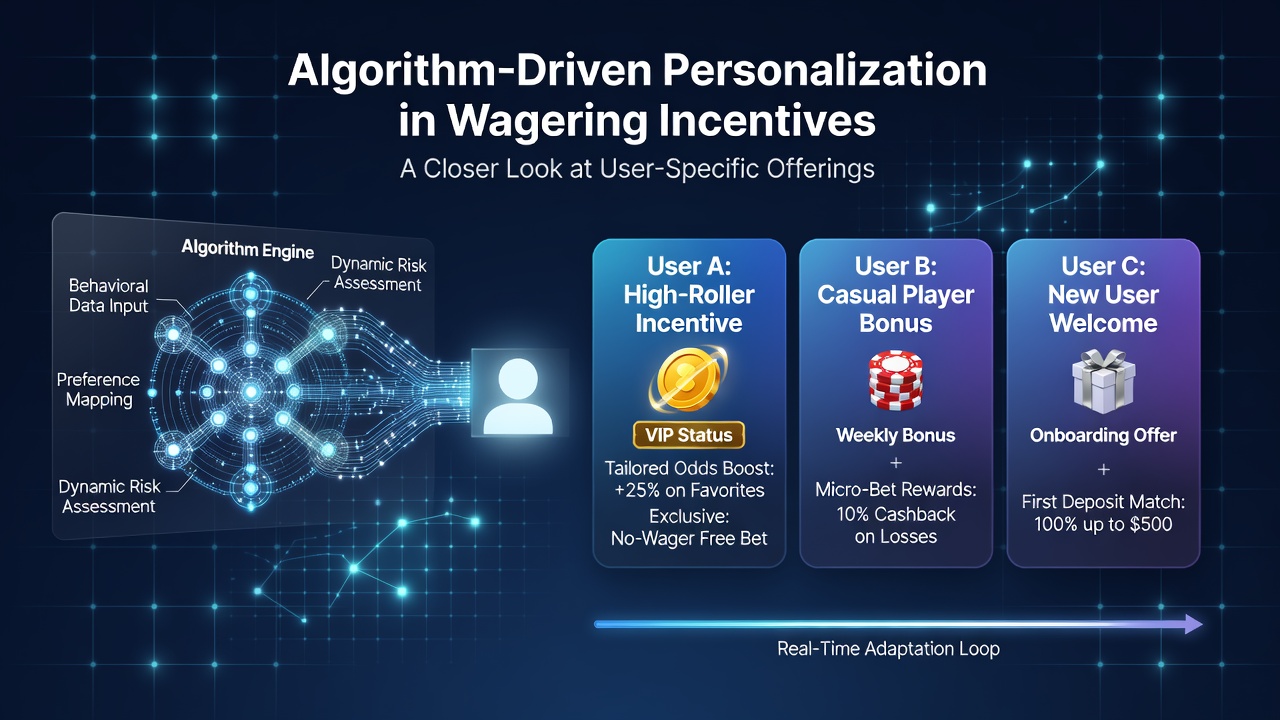
Operators in the wagering sector now rely on sophisticated algorithms to generate incentives that match individual betting patterns, deposit histories, and engagement levels, and these systems process vast datasets in real time to adjust bonus structures, odds enhancements, and promotional credits accordingly. Data from player accounts feeds directly into machine learning models that identify preferences such as preferred sports markets or casino game types, while the same models predict which offer types will prompt continued activity without exceeding responsible gambling thresholds set by operators.
Data Inputs That Drive Personalization Engines
Algorithms ingest multiple categories of information including session duration, average stake sizes, frequency of specific bet types, and response rates to prior promotions, and they combine these inputs with demographic details and device usage patterns to segment users into dynamic groups. Researchers at institutions like the University of Nevada have documented how such segmentation allows platforms to deliver tailored free bet amounts or cashback percentages that align with a user's typical risk profile, and similar approaches appear in reports from the Australian Gambling Research Centre where analysts tracked how personalization increased retention metrics across several operators between 2023 and 2025.
Real-time updates occur as new data arrives, meaning an algorithm can shift a user's incentive from a matched deposit bonus to a boosted accumulator offer within the same week if betting behavior changes, and this fluidity stems from continuous model retraining rather than static rules. Observers note that the process avoids one-size-fits-all campaigns because the underlying code evaluates thousands of variables simultaneously before outputting a specific reward package.
Implementation Across Sports and Casino Products
In sports wagering environments, algorithms often prioritize live odds boosts for users who historically engage with in-play markets, whereas casino sections see no-deposit spins or loyalty multipliers directed toward players whose session data shows preference for particular slot themes or table game variants. Those who have examined platform architectures describe how cross-product recommendations emerge when models detect overlap, such as a user who places football accumulators also receiving hybrid offers that combine free spins with sports credits.
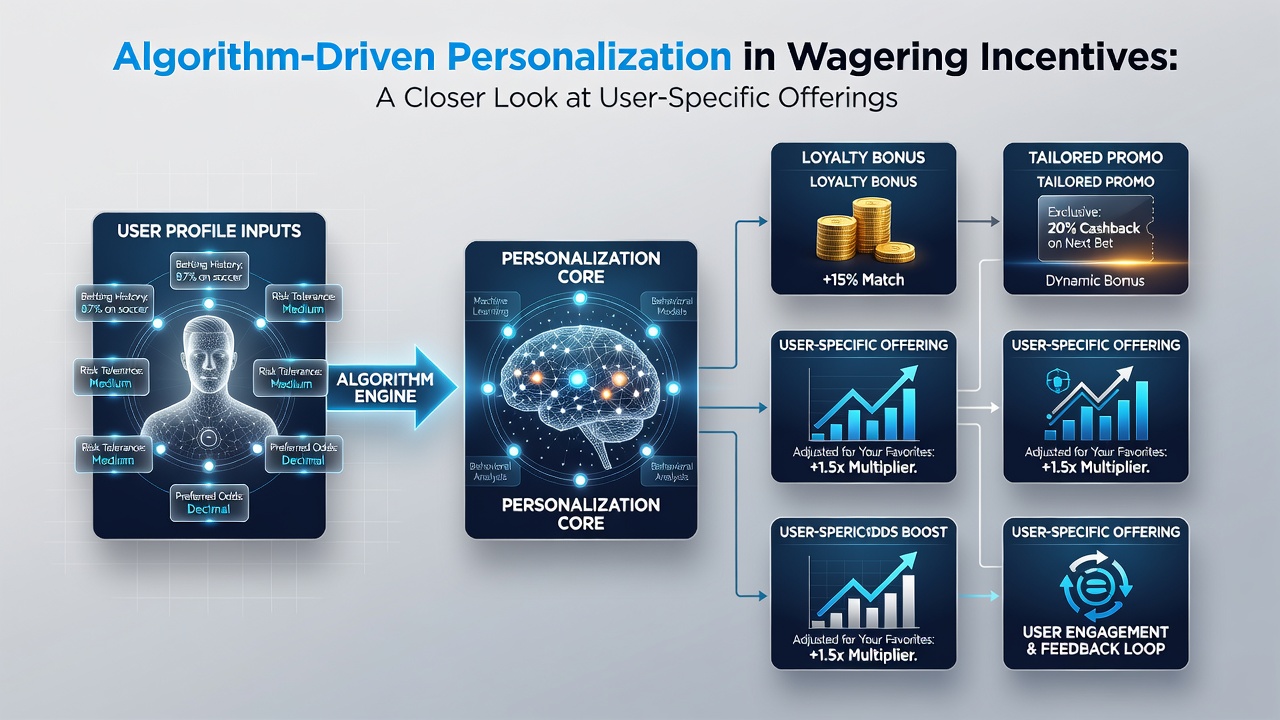
Case examples from North American markets illustrate the pattern, where one major operator adjusted incentive delivery after integrating behavioral signals from loyalty programs, and the adjustments led to measurable shifts in average revenue per user according to internal metrics shared with industry analysts. European operators have adopted parallel techniques, drawing on data frameworks that comply with regional privacy regulations while still enabling granular targeting.
Regulatory and Technical Considerations in 2026
By August 2026 several jurisdictions outside the UK continue to refine rules around algorithmic transparency, with bodies such as the Nevada Gaming Control Board requiring operators to maintain audit logs that demonstrate how personalization decisions respect self-exclusion lists and deposit limits. Industry organizations including the Canadian Gaming Association have published guidance on model governance that encourages regular bias testing to prevent unintended exclusion of certain user segments from promotional access.
Technical teams implement these requirements through explainable AI techniques that generate human-readable summaries of why a particular offer reached one account but not another, and such documentation supports both regulatory reviews and internal optimization cycles. Data shows that platforms maintaining clear audit trails encounter fewer compliance issues when external audits occur, while those relying on opaque black-box models face increased scrutiny in markets like parts of Australia and several U.S. states.
Impact Metrics Reported by Operators and Researchers
Studies conducted by academic groups indicate that personalized incentives correlate with higher engagement rates compared with generic campaigns, although the precise uplift varies by product vertical and user tenure. Figures from the American Gaming Association reveal that operators investing in advanced segmentation tools reported stronger year-over-year retention in 2025, and parallel findings from EU-based research consortia highlight similar patterns in markets where data protection standards permit detailed behavioral analysis.
Operators track key performance indicators such as offer redemption velocity, average bet size following incentive receipt, and lifetime value changes, and these indicators feed back into the algorithms to refine future targeting accuracy. What's interesting is how the loop operates without manual intervention once initial parameters are set, allowing systems to adapt as user cohorts evolve over months or years.
Conclusion
Algorithm-driven personalization continues to expand across wagering platforms as data processing capabilities advance, and the approach enables operators to align incentives more closely with observed user behavior while meeting regulatory expectations around transparency and fairness. Sources from multiple regions document ongoing refinement of these systems, and the integration of new data streams promises further granularity in how specific offerings reach individual accounts. Those monitoring the sector note that sustained investment in both algorithmic sophistication and governance frameworks will shape how personalization develops through the remainder of the decade.